
What is One Water Missouri?
An education and awareness campaign about the impacts of nutrient pollution on water quality and the collective strategies people and communities can do to mitigate these environmental problems.
Through Ducks Unlimited's partnership with the Missouri Department of Natural Resources, the Missouri Botanical Garden, and MidAmerica Clean Future, we aim to increase awareness among urban and rural residents of Missouri about the Gulf hypoxic zone.
What is Gulf Hypoxia?

- Gulf hypoxia, or low oxygen levels in water, happens when there isn’t enough dissolved oxygen to support most aquatic life—like fish, crabs, and shrimp. These low-oxygen areas are often called “Dead Zones” because larger marine life can’t survive.
- Harmful Algal Blooms (HABs) are caused by nutrient pollution in local water bodies and coastal systems. These blooms can be toxic to people and animals, impacting recreation and drinking water safety.
- Nutrient pollution has become one of the nation’s costliest and most challenging environmental problems. Over the past 50 years, the amount of nitrogen and phosphorus pollutants entering our nation’s waters has increased. Too much nitrogen and phosphorus can negatively impact human health, aquatic ecosystems, and the economy.
How can Nutrient Pollution Impact Us?
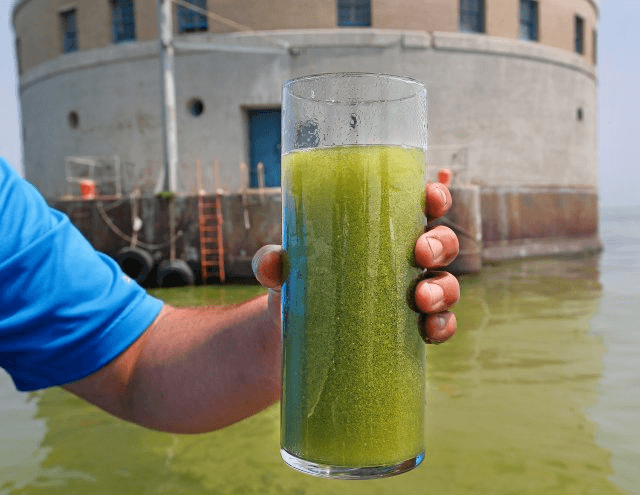
- Nutrient pollution is not just an environmental issue. It affects public health, local economies, and the way we live each day. Excess nitrogen and phosphorus in our water can create ripple effects that impact families, communities, and essential services.
- Excess nutrients and HABs create toxins and other chemical compounds in water that can be dangerous to people, pets, and livestock that are exposed to them.
- Toxic algae blooms caused by nutrient pollution can contaminate drinking water sources and enter treatment plants, drastically increasing treatment costs.
- The tourism industry loses close to $1 billion each year, mostly through losses in fishing, boating, and other outdoor recreational activities, due to water bodies affected by nutrient pollution and HABs.
Why Water Quality Matters
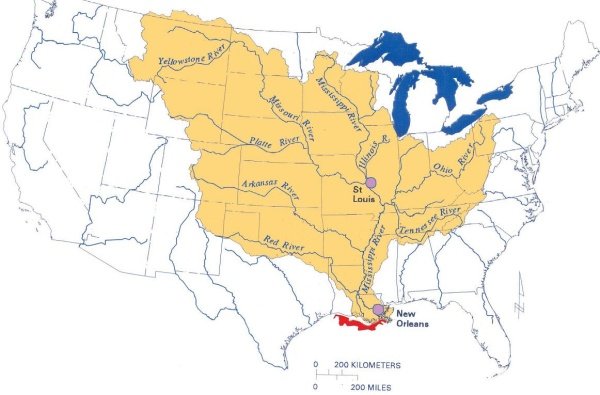
- Missouri’s rivers, wetlands, and watersheds are essential for our communities, farms, and wildlife. From the mighty Missouri and Mississippi Rivers to the Osage and countless smaller streams, clean water is essential for healthy ecosystems, thriving communities, and resilient landscapes.
Get Involved
How to Reduce Pollution in Urban Areas?
-
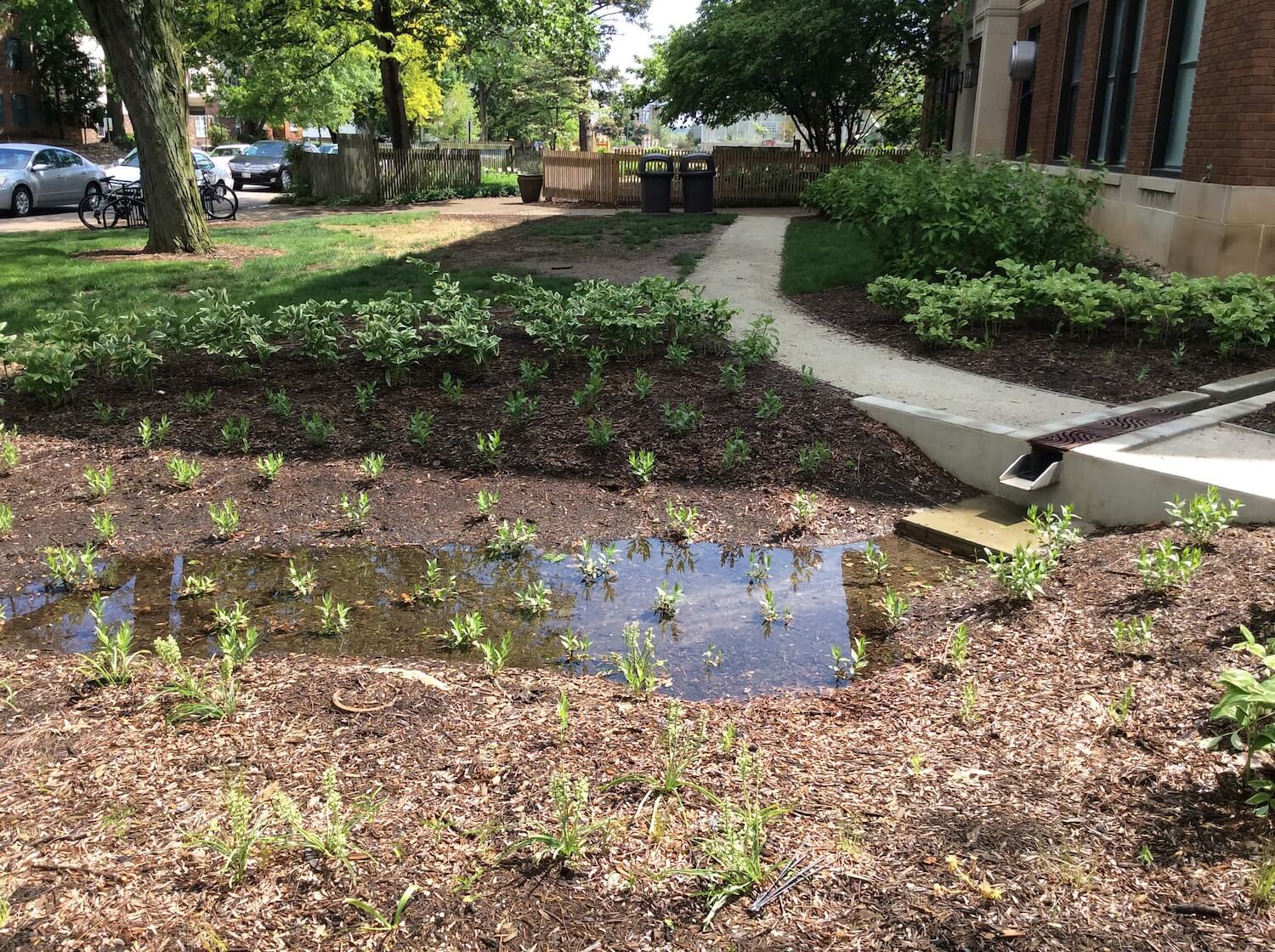
Use Native Plants & Rainscaping: Capture and filter stormwater on-site to remove pollutants before water enters storm drains.
-
Reduce Fertilizer & Pesticide Use: Apply only when necessary, and follow label instructions to avoid overuse.
-
Pick Up Pet Waste: Prevent bacteria and nutrients from washing into waterways.
-
Use Permeable Pavement: Allow rain to soak into the ground rather than running off hard surfaces.
-
Maintain Vehicles to Prevent Leaks: Keep oil, coolant, and brake fluid from dripping onto driveways and streets.
-
Properly Dispose of Hazardous Materials: Take paint, cleaners, and chemicals to local disposal facilities instead of dumping them.
-
Harvest Rainwater: Use rain barrels or cisterns to capture roof runoff for landscaping needs.
Want to learn more?
-
Follow Your Runoff allows you to click on any county in the U.S. and see where rainwater runoff ends up.
-
Check out the Missouri Department of Natural Resources Harmful Algal Bloom Viewer.
-
Clean Water Starts With You Gulf Hypoxia Handout
Missouri Botanical Garden is partnering with Ducks Unlimited, Missouri Department of Natural Resources, and MidAmerica Clean Future Alliance to increase awareness about the Gulf hypoxic zone.
Learn more on Ducks Unlimited’s webpage about Nutrient Loss Reduction Strategies.
This project is funded by the Missouri Department of Natural Resources through the U.S. Environmental Protection Agency.
 |
 |
 |
 |
Showing 1 reaction
Sign in with